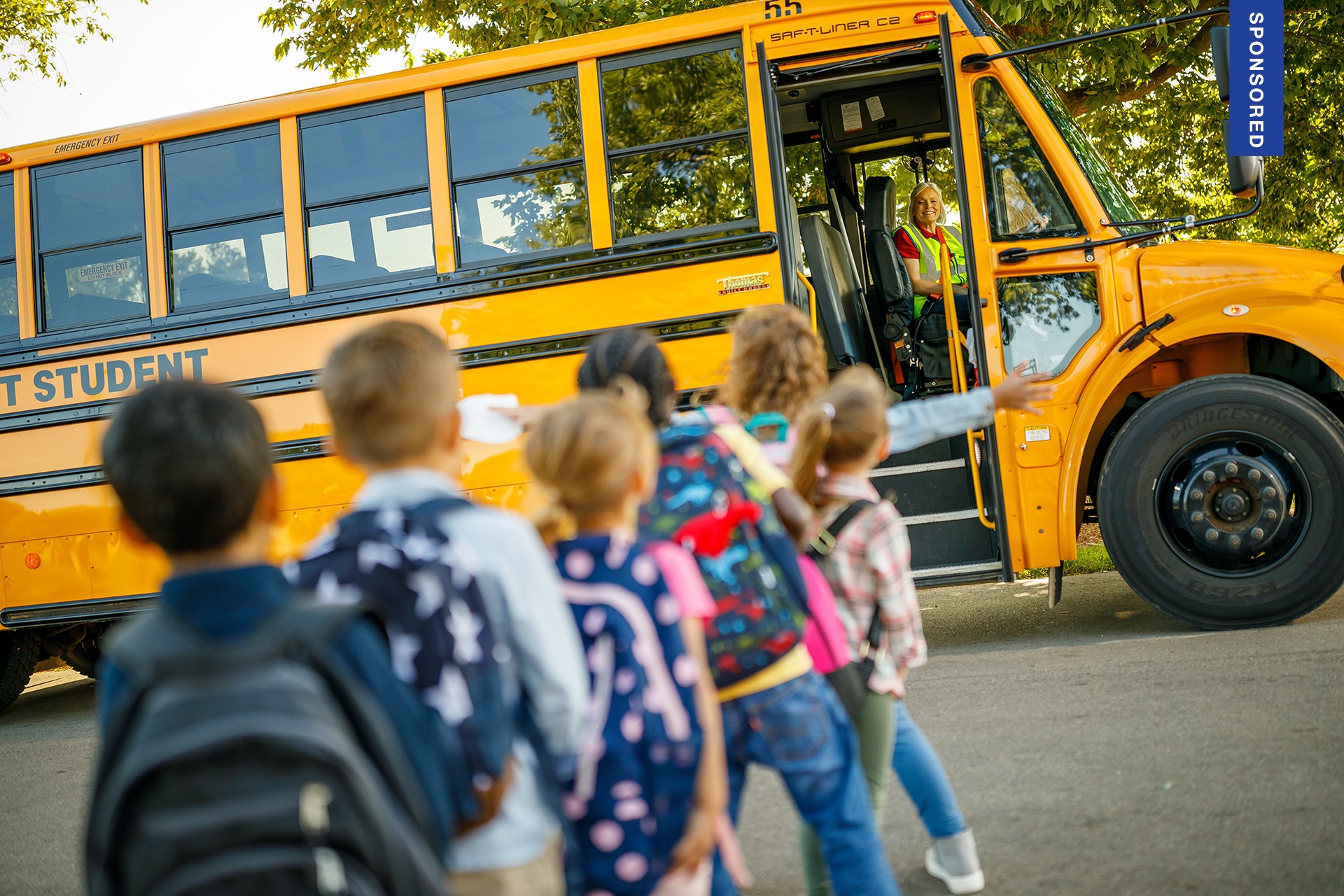
School Bus Transportation Safety Strategies for Modern Districts
School buses keep thousands of students moving safely and reliably every day, and you can learn how they do it and why they matter to families, schools, and communities. You’ll discover practical facts about eligibility, safety practices, and ways to make the daily ride smoother and more efficient for your child or school.
This article walks you through how school bus systems work, what to expect from routes and providers, and simple steps to optimize the experience—from applying for service to improving on-board routines. Expect clear, actionable guidance so you can make informed choices and help ensure every trip is safe, timely, and stress-free.
Understanding School Bus Transportation
School bus transportation delivers daily, scheduled rides between home and school, focusing on safety, timeliness, affordability, and route efficiency. The following subsections explain benefits, operation, safety rules, and how you enroll eligible students.
Key Benefits for Students and Families
School buses reduce travel costs compared with private car trips and public transit fares, saving families money on fuel and parking. You gain predictable pickup/drop-off times that support consistent attendance and punctuality for school start and end times.
Buses also lower traffic congestion near schools by consolidating dozens of car trips into one vehicle. That reduces local emissions and improves road safety for all users during peak times.
Riding the bus fosters social skills and independence for students. For families with limited transit access or variable work schedules, school buses provide reliable access to education and extracurricular activities.
How School Bus Systems Operate
District transportation offices plan routes based on student addresses, school bell times, and vehicle capacity. You’ll typically find tiered routing where one bus serves elementary routes then, after finishing, serves middle or high school routes to maximize fleet use.
Operators set stop locations to balance walking distance and route efficiency; common standards are 0.25–0.5 miles for elementary students, though local policies vary. Schedulers use GPS and routing software to optimize times, reduce idle miles, and improve on-time performance.
Day-to-day operations include driver assignments, vehicle inspections, fuel and maintenance scheduling, and communication systems (phone, text, or apps) to notify you of delays, cancellations, or changes.
Safety Standards and Protocols
School buses follow federal, state, or provincial regulations requiring vehicle construction features such as high roof-crush standards, compartmentalized seating, and flashing warning lights. You should expect regular maintenance and pre-trip inspections documented by the district or contractor.
Driver qualifications include background checks, medical exams, and specialized training on student behavior, emergency evacuations, and defensive driving. Many systems require periodic re-certification and in-service training.
Onboard protocols cover seat behavior, boarding and disembarking procedures, and emergency drills. You can usually find established rules about seatbelts where provided, use of electronic devices, and obligations for parents to supervise students at stops.
Eligibility and Enrollment Processes
Eligibility commonly depends on home address relative to school and established walking distance thresholds; transportation often covers students who live beyond that distance or have special needs requiring specialized vehicles. Policies vary by district, so check your local transportation office.
To enroll, you typically complete an online or paper registration listing the student’s address, emergency contacts, and riding preferences. Deadlines may apply before the school year and after move-ins; late registrants risk delayed route placement.
Once approved, you receive assigned stop location, pickup time, and bus number. Keep contact information current and notify the office of changes in address, custodial arrangements, or medical needs that could affect routing or accommodations.
Optimizing the School Bus Experience
You can improve safety, efficiency, and comfort by combining smarter route planning, targeted driver development, greener vehicles, and clear accessibility measures. Small operational changes and specific investments often yield measurable reductions in ride time, fuel usage, and incident rates.
Technology and Route Management
Use route-optimization software that ingests student addresses, bell times, vehicle capacities, and traffic patterns to generate daily routes. Prioritize algorithms that allow dynamic re-routing for delays, special events, and substitute drivers so you maintain on-time performance without manual recalculation.
Install GPS telematics on each bus to track location, speed, and idle time in real time. Pair telematics with parent-facing apps that provide live bus ETAs and automated attendance notifications to reduce parent calls and improve arrival predictability.
Standardize stop spacing and walking radius policy (for example, 0.25–0.5 miles depending on age) and enforce clustered stop placement to cut dwell time. Regularly audit routes every semester using ridership and on-board time data to rebalance loads and retire inefficient stops.
Driver Training and Qualifications
Set baseline hiring standards: valid commercial license with passenger endorsement, clean driving record, and a criminal background check. Require a hands-on skills test that includes route simulation, student loading/unloading procedures, and wheelchair securement.
Provide a formal initial training program (minimum 40 hours) covering defensive driving, student behavior management, emergency evacuations, and proper use of technology like two-way radios and route tablets. Include annual refresher courses and post-incident retraining.
Track driver performance with scorecards tied to safety metrics: on-time departures, harsh braking/acceleration events, and incident frequency. Use coaching sessions based on telematics data and incentivize low-incident performance with recognition or pay differentials.
Environmental Considerations in School Busing
Assess fleet replacement with a total-cost-of-ownership approach that includes fuel, maintenance, and available grants. Compare diesel, gasoline, propane, CNG, hybrid, and electric buses on lifecycle emissions, local fuel infrastructure, and route length constraints.
Pilot electric or low-emission buses on short, high-utilization routes to test charging schedules and range performance. Optimize routes to minimize deadhead miles and idle time; simple route consolidation and bus sharing between schools can cut fuel use significantly.
Apply low-cost measures: regular engine tune-ups, correct tire pressure, reduced idling policies, and driver eco-driving training. Track fuel consumption per route and publish quarterly metrics so you can prioritize upgrades where they deliver the biggest emissions and cost reductions.
Addressing Accessibility Needs
Map students requiring mobility or special assistance and assign routes that minimize transfers and travel time for those riders. Ensure bus stops for students with mobility devices are placed on smooth, level surfaces and not across busy intersections when possible.
Equip buses with properly rated lifts or ramps, securement systems that meet ADA standards, and dedicated staff trained in safe transfer techniques. Maintain a spare parts inventory for securement straps and lift components to avoid service disruptions.
Create clear communication protocols for families: individualized transportation plans, predictable pick-up windows, and emergency contact procedures. Conduct quarterly ride-alongs with special-education staff to validate accommodations and adjust routes or equipment as needed.
Keep an eye for more latest news & updates on Aiotechnical!