Residential Pest Control Services: Expert Solutions for Safe, Long-Term Home Protection
Pests can disrupt your home, damage property, and threaten your family’s health — you want a practical solution that works. Residential pest control services combine inspection, targeted treatment, and prevention plans to remove infestations and stop them from coming back.
You’ll learn how professionals assess risk, choose safe pest control treatments, and tailor ongoing protection to your home type and budget. This article walks through what to expect from service options and how to pick the right provider so you regain control of your living space.
Residential Pest Control Services Overview
You can expect targeted inspections, tailored treatments, and ongoing prevention to protect living spaces, food areas, and structural elements. Services often include identification, treatment plans, follow-ups, and homeowner guidance to reduce recurrence.
What Is Residential Pest Control?
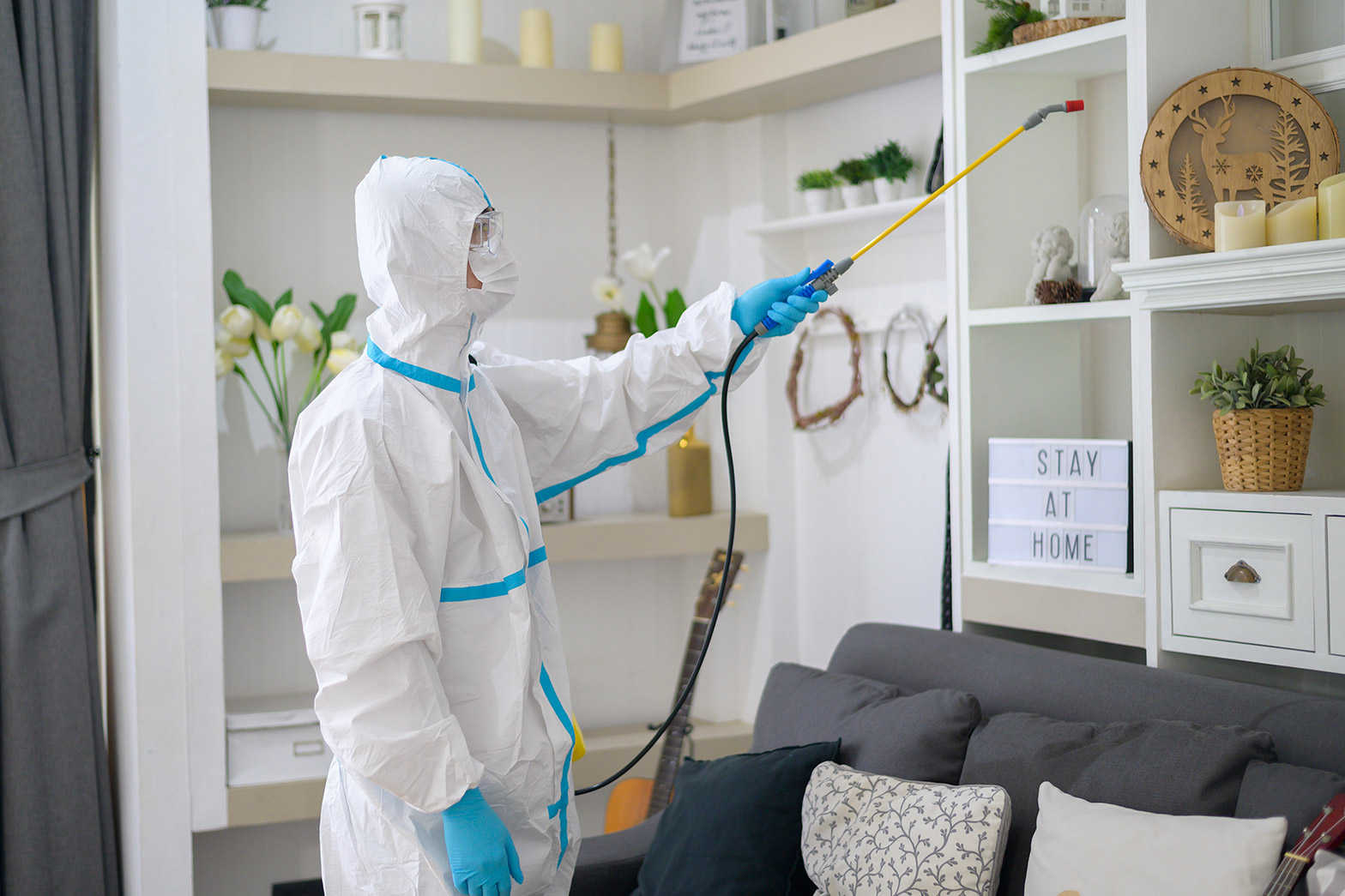
Residential pest control means professional measures to detect, remove, and prevent pests that threaten your home, health, or possessions. Technicians perform a detailed inspection of entry points, crawl spaces, attics, basements, kitchens, and yards to identify species, infestation extent, and conducive conditions.
After inspection, they create a written treatment plan that lists methods (baits, traps, exclusion, targeted spraying, or non-chemical options), safety steps for pets and people, and a schedule for follow-up visits. You receive clear instructions about temporary precautions—like storing food, securing garbage, or restricting access—to support treatment effectiveness.
Technicians also document findings and outcomes so you track what was done and why. That record helps prioritize structural fixes (sealing gaps, repairing screens, removing wood-to-soil contact) that reduce future risk.
Types of Household Pests
Common indoor and outdoor pests include ants, cockroaches, mice, rats, spiders, bed bugs, fleas, and stored-product pests. In many regions, carpenter ants, termites, and wasps pose structural threats, while ticks and mosquitos affect outdoor living areas and health.
Identify pests by sight, droppings, damage patterns (chewed wiring, frass, holes), or bites. Each pest demands a different tactic: traps and bait stations for rodents, gel baits and granular products for ants, perimeter treatments and moisture control for termites, and heat or chemical protocols for bed bugs.
Seasonality matters: ants and wasps peak in warm months; rodents seek shelter in fall and winter. Your service provider should tailor timing and methods to the species and your property’s vulnerabilities.
Benefits of Professional Pest Control
Professional services deliver faster, more reliable results than DIY methods because they combine inspection, targeted products, and technical knowledge. You avoid trial-and-error mistakes—like wrong baiting or ineffective placement—that waste time and allow infestations to grow.
Licensed technicians use products and concentrations unavailable to consumers and follow label directions and safety protocols to minimize exposure. Regular service plans provide scheduled monitoring, early detection, and record-keeping that prevent small problems from becoming costly repairs.
You gain expert advice on exclusion and sanitation measures that reduce attractants and entry points. Many providers also offer guarantees or retreatments, giving you a defined path to resolution if pests reappear.
Choosing the Right Pest Control Solution
You need clear evidence of the pest type, the extent of infestation, and practical options that match your household’s safety priorities and budget. Focus on verified inspection findings, specific treatment trade-offs, and concrete prevention steps you can maintain.
Inspection and Assessment
Start with a professional, on-site inspection that documents pest species, entry points, and damage. Ask the technician for a written report that lists findings, photos of problem areas, and an estimate of infestation level (localized vs. structural).
Request identification of conducive conditions—moisture sources, food access, landscape issues—and a prioritized list of repairs or sanitation actions you should perform.
Confirm the inspector’s credentials: state license number, insurance proof, and any specialty certifications for rodents, termites, or wildlife. If you rent, check lease obligations and get landlord approval for structural treatments. Keep the inspection report; it will guide treatment choices and help compare contractor proposals.
Treatment Options
Choose treatments that match the pest biology and the level of infestation. For insects, ask whether technicians will use targeted baits, liquid perimeter treatments, or crack-and-crevice applications indoors. For rodents, insist on integrated baiting plus exclusion work—traps alone rarely solve recurring entries.
Discuss chemical specifics: active ingredients, EPA registration, application locations, and re-entry intervals. If you prefer lower-toxicity options, request pyrethroid alternatives, borate treatments for wood pests, or insect growth regulators. For termites or structural pests, compare localized injections vs. full soil treatments and get warranties in writing.
Get a clear service plan: number of visits, monitoring devices, follow-up treatments, and pricing breakdown (labor, materials, warranty). Ask how success is measured and what triggers free follow-up visits. Always require a written contract with scope, start date, and cancellation policy.
Preventive Measures
Implement exclusion first: seal gaps larger than 1/4 inch, repair screens, weather-strip doors, and cap foundation vents. Use a prioritized checklist—attic insulation, roof flashing, door sweeps—so you can tackle high-risk items quickly and budget repairs over time.
Modify the environment: keep firewood 20 feet from the house and elevated; trim shrubs at least 18 inches from siding; store pet food in sealed containers. Reduce moisture by fixing leaky faucets, improving drainage away from the foundation, and running exhaust fans.
Maintain routine monitoring: set glue boards or bait stations in attics and basements and log findings monthly. Schedule preventative perimeter treatments annually if you live in high-risk zones, and update your record of treatments and any contractor visits to track long-term effectiveness.
Stay in touch to get more updates & news on Nowaiotechnical!