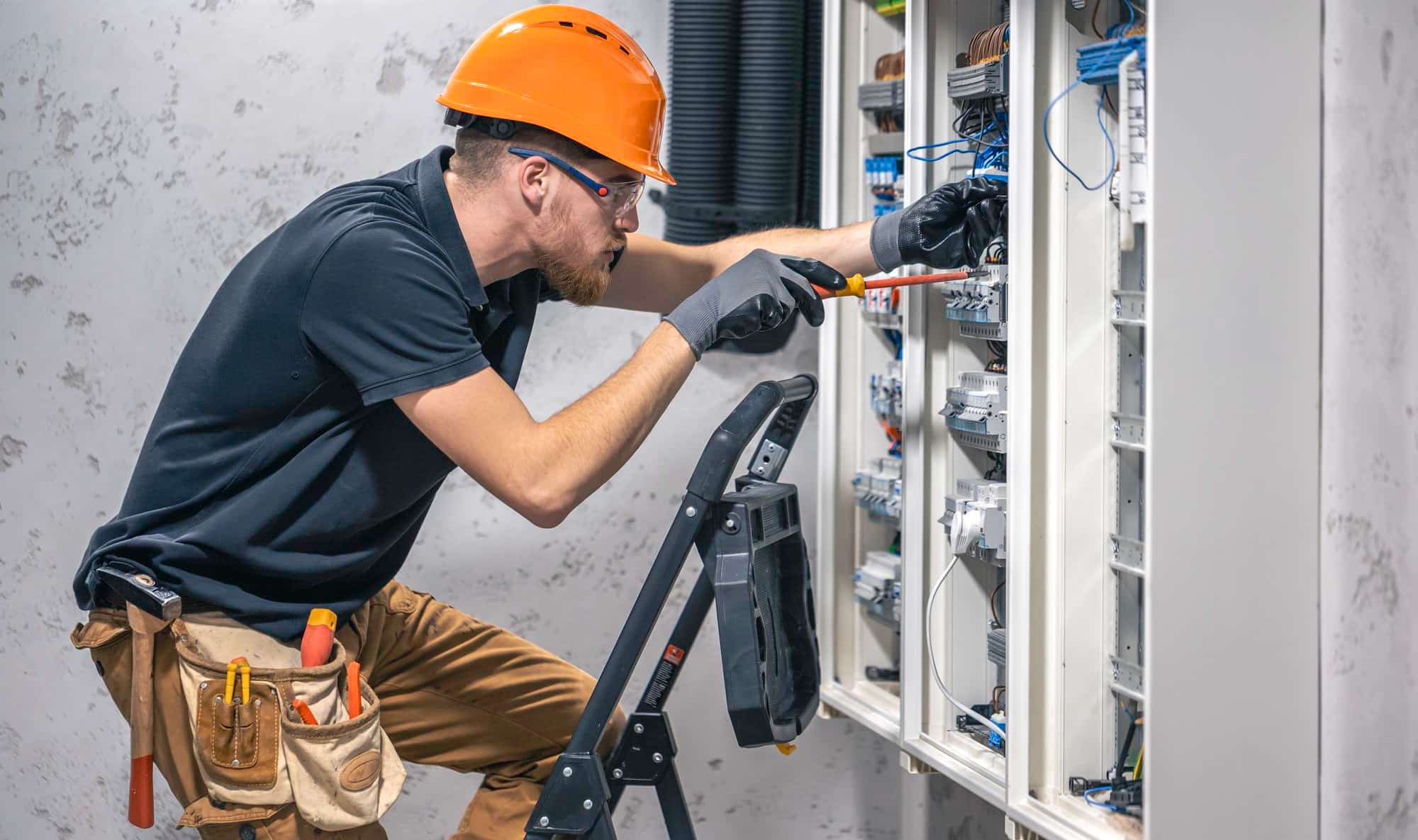
Electrical Company London Ontario — Trusted Residential and Commercial Electricians
Looking for an electrical company London Ontario that you can trust for safe, codecompliant work and timely service matters for your home or business. This article maps the services you’re likely to need—panel upgrades, EV charger installation, troubleshooting, and commercial wiring—and what to expect from qualified local contractors.
Expect licensed electricians who follow the Ontario Electrical Code and offer clear estimates, reliable timelines, and safetyfirst practices when you hire a reputable London, Ontario electrical company. The sections that follow will help you compare services, verify credentials, and pick a contractor that matches your project size and budget.
Electrical Services in London Ontario
You can expect licensed electricians who handle home wiring, panel upgrades, lighting and smart-home installs, plus commercial wiring, industrial systems, and 24/7 emergency response. Pricing, permits, and safety inspections are commonly provided by local contractors.
Residential Electrical Solutions
You’ll get services for panel upgrades, breaker replacements, and whole-home rewiring to meet modern code and increased load from EV chargers and HVAC systems. Electricians perform 100-amp to 400-amp panel changes, install dedicated circuits for stoves, dryers and EV chargers, and replace aging knob-and-tube or aluminum wiring.
Lighting work covers LED retrofits, recessed and exterior security lighting, and smart-home integration like connected switches and voice-controlled systems. Expect safety-focused tasks such as smoke/carbon-monoxide detector hardwiring, AFCI/GFCI installation, and electrical inspections required for real estate transactions.
Many companies offer flat-rate pricing and online booking for routine jobs, and they provide permit submission and inspection coordination for larger projects. Ask about warranty terms and insurance before authorizing work.
Commercial and Industrial Electrical Work
You’ll find contractors experienced with branch-circuit distribution, three-phase power, motor starters, and control wiring for manufacturing equipment. Services include design-build work, lighting retrofits to LED and T8 systems, emergency lighting and exit signage, and energy-efficiency measures such as power-factor correction and submetering.
For office, retail and warehouse fit-outs, expect data/communication cabling, BMS integration, and dedicated circuits for HVAC and server rooms. Industrial projects often require coordination with engineers for load calculations, arc-flash studies, and NFPA 70E-compliant procedures.
Contractors typically handle permit acquisition, site safety plans, and phased shutdowns to minimize downtime. Request references and documentation of CPO/CSA-certified equipment where applicable.
Emergency Electrical Repairs
You should have access to 24/7 response for hazards like sparking outlets, tripped main breakers, burning-smell diagnostics, and power-loss investigations. Emergency teams prioritize safety: they’ll isolate circuits, perform temporary repairs, and schedule full corrective work with a written estimate.
Expect immediate services such as fault tracing, temporary power restoration, and replacement of failed breakers or meters. For residential calls, technicians will check for overloaded circuits, faulty panels, and ground faults; for commercial sites, they’ll manage critical systems and coordinate with building managers.
Verify the technician’s license and ask for a clear invoice showing emergency call fees versus repair costs. Insist on follow-up inspection and a permanent solution rather than repeated temporary fixes.
Choosing the Right Electrical Company
Focus on credentials, real customer feedback, and strict adherence to Ontario electrical and safety codes. Picking a company with licensed technicians, verifiable reviews, and up-to-date safety procedures reduces risk and ensures work meets local permit and inspection requirements.
Licensed and Certified Electricians
You should verify that electricians hold an Ontario Certificate of Qualification (C of Q) or are registered apprentices under a licensed contractor. Ask for licence numbers and confirm them with the Electrical Safety Authority (ESA) when necessary.
Check for additional certifications that match your job: for example, commercial or industrial work often requires electricians with experience in high-voltage systems or motor control. Request proof of trade insurance and WSIB coverage before work begins.
Write down the names of technicians who will do the work and confirm they have completed site-specific training, such as lockout/tagout or confined-space awareness. That documentation shows the company invests in continuing training and reduces the chance of code violations or rework.
Customer Reviews and Reputation
Look for recent, detailed reviews on platforms like Yelp, TrustedPros, BBB, and local business directories. Prioritize reviews that mention the same service you need—panel upgrades, new home wiring, or emergency repairs—so you get relevant evidence of competence.
Check whether the company is BBB-accredited and how it resolves complaints. A transparent response to a complaint indicates responsibility and good customer service.
Ask the company for references from projects in London, ON, with contactable clients. Speaking directly with a recent customer gives you practical insight into punctuality, cleanup, and whether the final invoice matched the original estimate.
Safety Standards and Compliance
Confirm the company follows the Ontario Electrical Safety Code and submits required permit applications to the municipality or ESA. Ask for a copy of the completed permit and final inspection report after the job.
Ensure the crew uses appropriate PPE and follows written site safety plans. For industrial or agricultural jobs, verify the company has experience with high-voltage systems, lockout/tagout procedures, and arc-flash assessments.
Request a written warranty and a clear scope-of-work document that lists materials, brands, and testing procedures (e.g., continuity tests, insulation resistance). This creates accountability and makes it easier to enforce safety-related corrections if issues appear.
Keep an eye for more latest news & updates on Aiotechnical!