The Importance of Replacing Old Wheel Cylinders
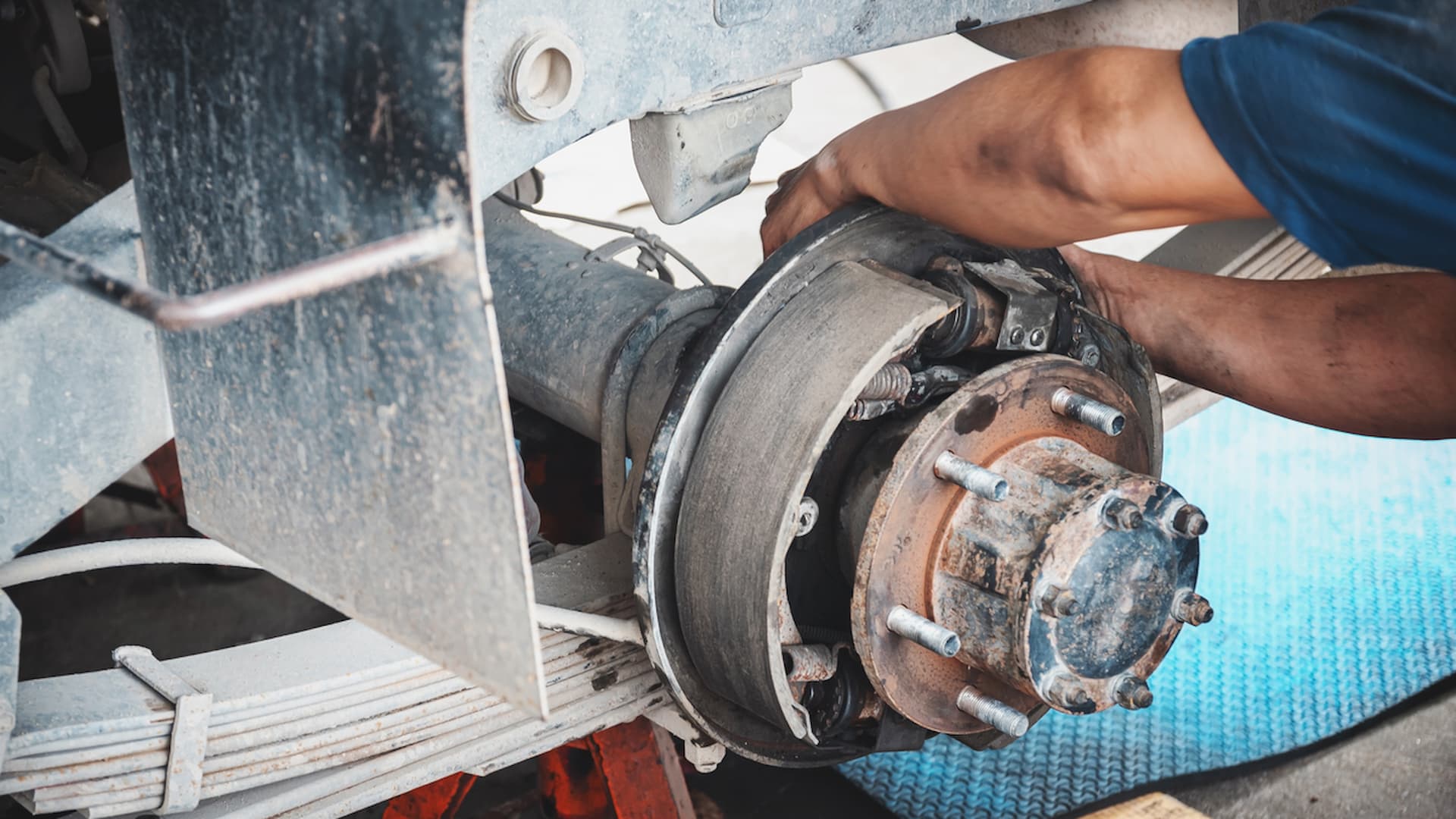
Wheel cylinders are one of the most critical components in drum brake systems, yet they’re often overlooked during routine maintenance. These small hydraulic cylinders apply pressure to the brake shoes when you press the brake pedal, allowing your vehicle to stop smoothly and safely. But like any hydraulic part, wheel cylinders wear out over time—internal seals deteriorate, pistons corrode, and moisture or debris can enter the system. When that happens, braking performance declines, and the risks on the road increase dramatically.
Most vehicles with rear drum brakes rely heavily on their wheel cylinders to maintain balanced stopping force. As the brake fluid pressurizes the system, the wheel cylinder pushes outward on the brake shoes. If the cylinder becomes weak, leaks fluid, or seizes, the shoes won’t apply enough force to slow the vehicle effectively. In many cases, you may not even realize you have a failing wheel cylinder until other symptoms start appearing—like reduced braking power, unusual noises, or uneven stopping.
Old wheel cylinders can also affect other brake components. If they leak internally or externally, brake fluid may contaminate the brake shoes, leading to reduced friction and unpredictable braking. Sometimes you’ll see drips on the inside of the drum or near the rear wheel seal if the leak spreads. Because brake fluid absorbs moisture over time, corrosion inside an aging cylinder accelerates rapidly, which is why replacing old or failing wheel cylinders is essential for driving safety.
Below, we’ll break down why worn wheel cylinders create road risks and how replacing them prevents major breakdowns in your braking system.
Avoid Road Risks
Driving with old or failing wheel cylinders is dangerous because it compromises the consistency and predictability of your braking system. Even if your vehicle seems to stop reasonably well under light braking, the risks increase dramatically during hard stops, wet weather, downhill driving, or emergency maneuvers.
1. Reduced Braking Power
A weak or leaking wheel cylinder can’t generate the force needed to press the shoes against the drum. This reduces stopping power and increases the distance needed to bring your vehicle to a halt. Drivers may notice that the brake pedal feels softer or sinks further toward the floor than normal.
2. Uneven Braking and Pulling
When one wheel cylinder fails before the other, braking becomes unbalanced. Your vehicle may pull to one side during braking, especially at higher speeds. This pulling isn’t just uncomfortable—it can be dangerous, especially during sudden braking or on slippery surfaces.
3. Brake Fluid Contamination
A leaking cylinder allows brake fluid to escape and coat the brake shoes or drum surface. Since brake fluid reduces friction, contaminated shoes lose their ability to grip, causing slipping and unpredictable stopping behavior. This contamination can also damage the shoes, requiring replacement of both the shoes and the cylinder.
4. Increased Stopping Distance
Even if the cylinder hasn’t failed completely, reduced hydraulic pressure means your braking system can’t work at full strength. You may find yourself needing more distance to slow down or stop, increasing the risk of rear-end collisions in traffic.
5. Brake Warning Light Activation
Low fluid levels caused by wheel cylinder leaks can trigger the brake warning light. Once this light comes on, the system is already compromised, and immediate inspection is necessary.
6. Potential Brake Failure
In severe cases—especially if the cylinder fails completely—you can lose all braking force in that drum brake. While front brakes provide most of the stopping power, losing rear braking can still impact stability, steering control, and emergency stopping. The risk becomes even greater at high speeds or under heavy loads.
Old wheel cylinders don’t just affect braking—they also complicate wheel removal if they cause rust, leaks, or heat buildup. If you ever need to remove the wheels to inspect or replace components, having a proper tool to take off wheel locks makes the job easier and safer, ensuring you don’t damage the locking lug nuts while working on the brakes.
Prevent Major Breakdowns
Replacing old wheel cylinders not only improves braking performance—it prevents damage to other brake components and protects your vehicle from expensive repairs. When wheel cylinders fail, the issues often spread through the braking system.
1. Preserve Brake Shoes and Drums
Brake fluid leaking from a cylinder soaks into the brake shoes. Once contaminated, the shoes can’t be cleaned or repaired—they must be replaced. Fluid contamination also causes glazing, reducing friction and shortening the life of the drum. Replacing a wheel cylinder at the first sign of trouble saves these surrounding parts from unnecessary damage.
2. Protect Brake Lines and Master Cylinder
A failing cylinder affects hydraulic pressure throughout the brake system. If the system is constantly low on fluid due to leaks, air can enter the brake lines, causing a spongy pedal or inconsistent braking. In severe cases, the master cylinder may become overworked, leading to more costly repairs.
3. Prevent Fluid Loss and Brake Fade
Even a slow leak can lower brake fluid levels over time. When fluid is low, brakes overheat faster and are more susceptible to brake fade—when braking performance drops drastically after repeated use. Drivers may experience longer pedal travel, weaker response, and poor stopping power.
4. Avoid Complete Brake System Failure
If both rear wheel cylinders refuse to operate—whether from seized pistons or fluid loss—the entire rear braking system becomes inoperative. While front brakes provide most stopping power, losing rear support dramatically affects stability and increases the risk of skidding or loss of control.
5. Maintain Safe Hydraulic Pressure
Wheel cylinders must maintain consistent pressure to move the brake shoes evenly. Replacing worn cylinders ensures uniform braking force, preventing uneven wear, vibrations, or pulsation during braking.
6. Restore Pedal Feel and Confidence
A strong, responsive brake pedal gives drivers confidence. Replacing a failing wheel cylinder restores proper pedal height, firmness, and responsiveness.
Whether you’re inspecting the brakes for routine maintenance or replacing other components, installing a new rear wheel cylinder ensures your drum brakes operate safely and effectively.
Conclusion
Old wheel cylinders may seem like minor parts, but the safety of your entire braking system depends on them. Replacing worn cylinders prevents fluid leaks, improves stopping power, protects surrounding components, and reduces the risk of dangerous braking failures. Addressing the issue early keeps your vehicle safe, stable, and reliable—exactly what you want every time you hit the road.