Landfill Diversion Strategies for Cost-Effective Waste Reduction and Resource Recovery
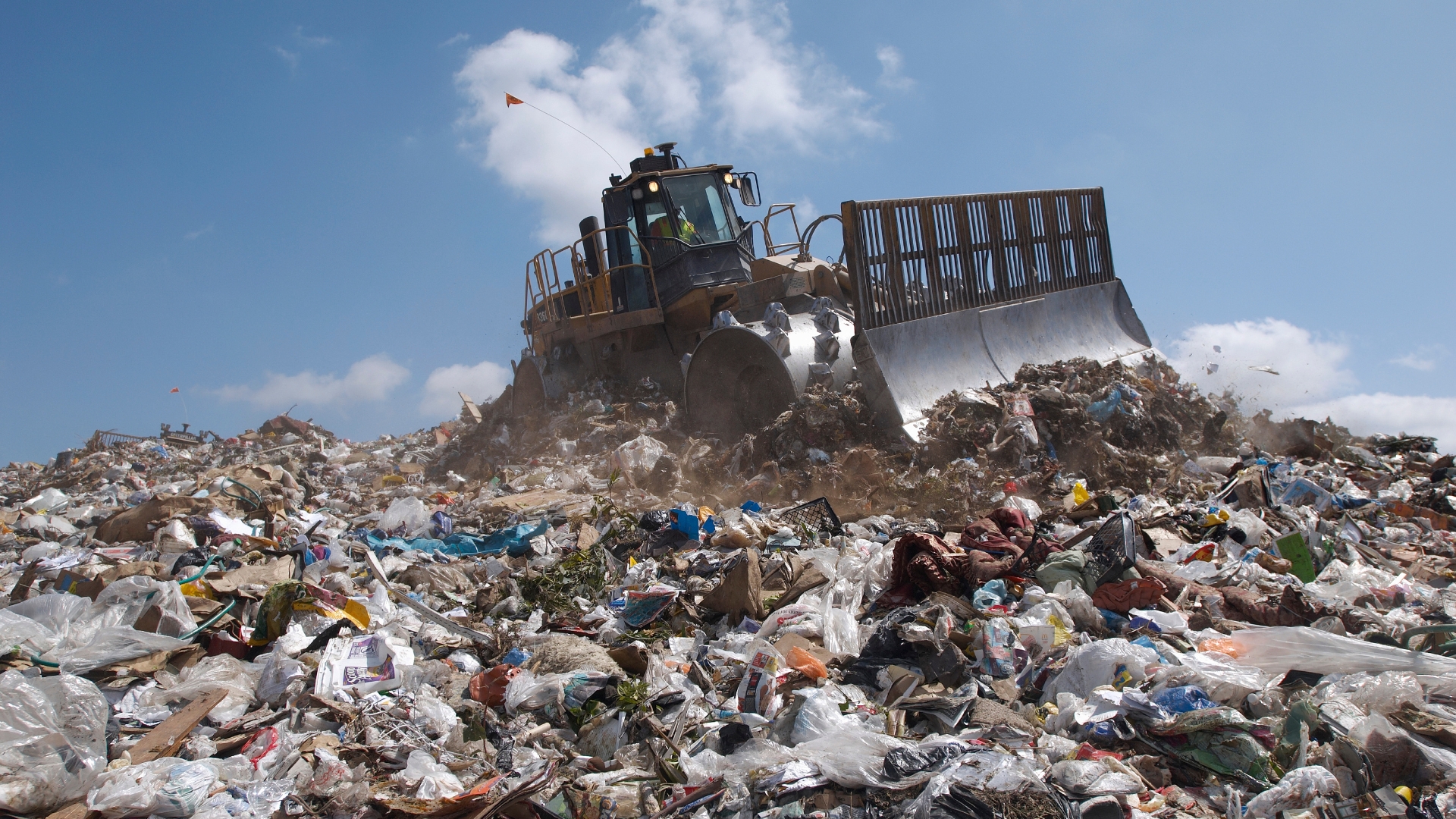
You can sharply reduce how much waste ends up in landfills by shifting how you sort, reuse, and recover materials. Landfill diversion means redirecting waste toward recycling, composting, and reuse so less goes to landfill or incineration — and those shifts can cut emissions, extend landfill life, and recover value from materials.
This article explains what landfill diversion looks like in practice and which strategies deliver the biggest impact for homes, businesses, and communities. Expect clear steps and realistic approaches you can apply to improve your diversion rate and meet sustainability goals.
Understanding Landfill Diversion
You will learn what landfill diversion means, why it matters for emissions and resource use, and which specific actions reduce landfill inputs. The next parts explain the definition, the practical methods you can adopt or support, and measurable environmental effects.
Definition and Importance
Landfill diversion means redirecting waste away from disposal sites toward reuse, recycling, composting, or energy recovery. It measures success by the diversion rate: the percentage of generated waste kept out of landfills. You can calculate it as: (diverted waste ÷ total waste generated) × 100.
Diversion matters because landfilling produces methane and ties up recoverable materials like metals, plastics, and organics. For organizations, higher diversion rates lower disposal costs and can create revenue from reclaimed materials. For communities, diversion reduces landfill expansion and the long-term liabilities of contaminated sites.
You should track material flows by weight and type, set clear targets (e.g., 50–75% diversion), and prioritize actions that recover high-value or high-impact streams first.
Methods of Diversion
Primary diversion methods include recycling, composting/organics management, reuse programs, and waste-to-energy (WtE) where appropriate. Recycling separates paper, cardboard, metals, glass, and plastics for processing into new products. Composting handles food waste and yard trimmings to produce soil amendments, cutting methane from anaerobic landfill decomposition.
Reuse and repair programs—such as donation centers, product takebacks, and remanufacturing—extend product lifecycles and keep bulky items out of the waste stream. WtE technologies (incineration with energy capture, anaerobic digestion) reduce landfill mass and displace fossil fuels but require pollution controls and careful residue management.
Operational steps you can implement: source separation at collection, advanced sorting technologies at material recovery facilities (MRFs), targeted public education campaigns, and procurement policies favoring recycled-content products.
Environmental Impact
Diverting waste lowers greenhouse gas emissions by preventing anaerobic decomposition and by avoiding emissions from producing virgin materials. For example, recycling aluminum saves roughly 90% of the energy required for primary production, and composting organic waste cuts methane generation compared with landfilling.
Diversion also reduces leachate risks and preserves land that would otherwise host new landfill cells. However, environmental benefits depend on system design: poor sorting contaminates recyclables, and some WtE processes emit pollutants if not properly controlled.
You should evaluate impacts using life-cycle assessment (LCA) and local data: compare emissions, energy use, and material recovery for each diversion pathway to prioritize the most effective strategies for your situation.
Strategies for Effective Landfill Diversion
You will reduce landfill inputs most effectively by cutting material generation, keeping usable items in circulation, and turning organics into compost. Focus on measurable actions you can implement or advocate for in your community or organization.
Source Reduction and Reuse
Target the top generators in your waste stream first — packaging, single-use plastics, textiles, and food waste. Implement procurement rules that require vendors to use reusable, refillable, or minimal packaging. Track procurement volume and set reduction targets (for example, 25% fewer single-use items in 12 months).
Create reuse systems: repair cafes, take-back programs, and asset-tracking for durable goods. Encourage product design changes by requiring modular, repairable products in contracts. Measure success with indicators like items diverted through reuse programs and average product lifespan.
Offer incentives and policies: subsidies for bulk purchasing, credits for returnable packaging, or fees on disposable items. Pair policy with clear communications and easy access to reuse options so residents and staff can change behavior quickly.
Recycling Programs
Design recycling around local material flows and market demand. Start with mandatory source separation for high-value streams: cardboard, PET, HDPE, metals, and glass. Provide standardized bins and clear signage to reduce contamination.
Invest in processing capacity or partnerships: MRFs (materials recovery facilities), glass crushers, and plastic sorting lines. Track capture rates and contamination rates monthly to guide outreach. Use data to adjust collection frequency and bin placement to improve convenience.
Complement curbside systems with drop-off for bulky items, textiles, and electronics. Build markets by coordinating with manufacturers to use recycled content and by securing long-term off-take agreements for sorted materials.
Composting Initiatives
Separate organics at the source: kitchens, cafeterias, and yard waste collection sites. Provide small countertop pails and clear labeling to reduce contamination of the organics stream.
Choose the right processing technology for scale — in-vessel or aerated static piles for urban settings, windrow for large municipal sites. Ensure operational controls for temperature and moisture to meet pathogen and vector standards.
Integrate compost use into municipal landscape programs and sell finished compost to local farms and landscapers. Measure tons of organics diverted, finished compost quality (C ratio, maturity), and greenhouse gas reductions to demonstrate impact.
Stay in touch to get more updates & news on Nowaiotechnical!