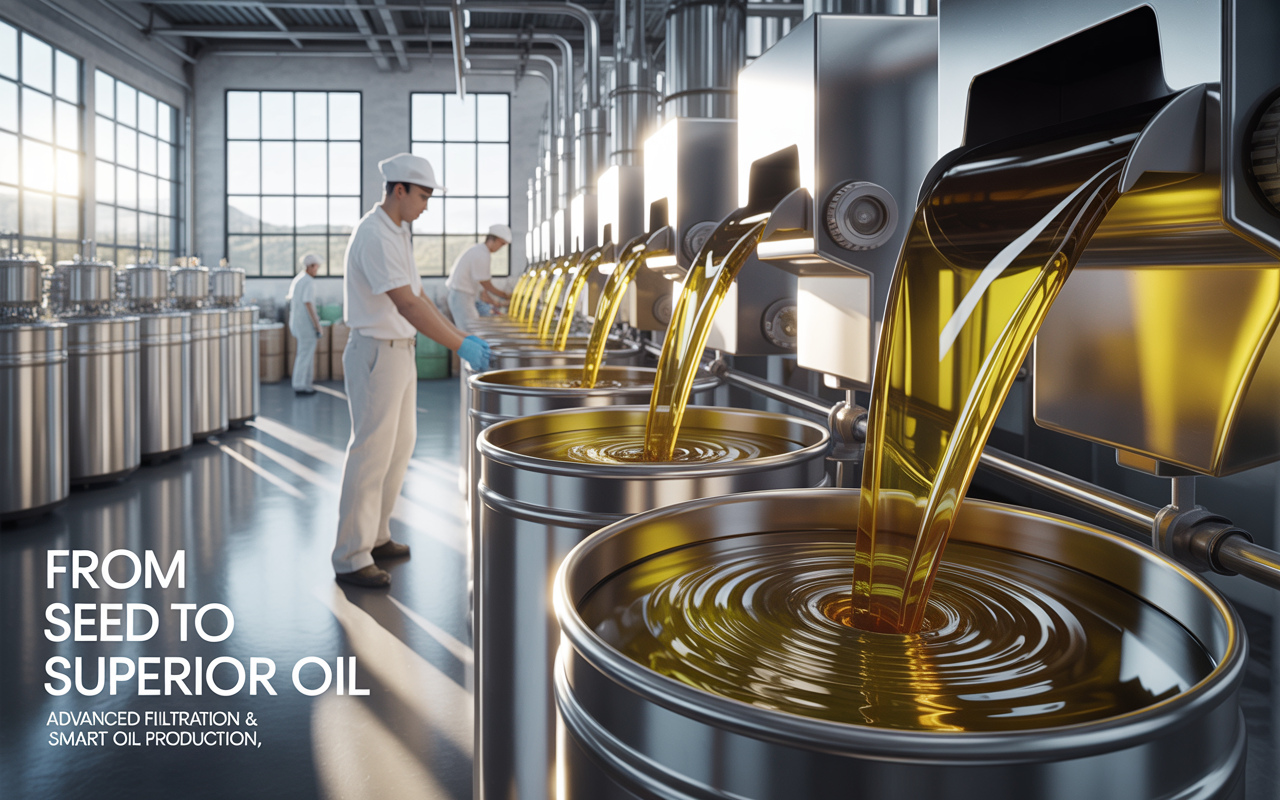
From Seed to Superior Oil: How Advanced Olive Oil Filtration and Smart Peanut Oil Production Are Elevating Cooking Oil Quality
Cooking oil quality has become a top priority for both producers and consumers. People no longer want just “any oil.” They want oil that is clean, stable, nutritious, and full of natural flavor. Whether it’s olive oil used for salads or peanut oil used for frying, quality now defines value.
Behind every bottle of superior cooking oil is a careful process. Two areas play a key role in this transformation: modern olive oil filtration and efficient peanut oil production. When the right technology meets smart processing methods, the result is oil that stands out in taste, performance, and purity.
Why Oil Quality Starts After Pressing
Many people believe oil quality ends after pressing the seeds or fruits. In reality, pressing is only the beginning.
Freshly pressed oil still contains fine solids, moisture, and natural residues. If these are not handled properly, the oil can spoil faster, lose clarity, or develop unwanted odors.
This is why both olive oil and peanut oil require well-planned filtration and production steps to reach premium standards.
The Role of Olive Oil Filtration in Oil Purity
Olive oil is valued for its natural antioxidants, aroma, and smooth taste. However, after extraction, raw olive oil contains small particles of olive pulp and water. These residues can affect shelf life and flavor if not removed properly.
This is where modern Olive oil filtration technology becomes essential.
How Filtration Improves Olive Oil
Advanced filtration systems help by:
- Removing fine solid particles
- Reducing moisture that causes spoilage
- Improving oil clarity and appearance
- Preserving natural aroma and nutrients
Well-filtered olive oil stays fresh longer and maintains consistent quality from bottle to bottle.
Balancing Filtration and Flavor
One common concern is that too much filtration can strip olive oil of its character. Modern systems solve this problem.
Instead of aggressive filtering, today’s technology uses controlled pressure and fine filtration media. This removes impurities without damaging beneficial compounds.
The result is olive oil that is both clean and flavorful—clear in appearance but rich in nutrition.
Peanut Oil: A Cooking Oil That Demands Precision
Peanut oil is widely used for high-heat cooking because of its stability and mild taste. But producing good peanut oil requires careful handling of seeds, temperature, and pressing methods.
Understanding the Peanut Oil Production Process is key to achieving high-quality oil that performs well in kitchens and food industries.
Key Stages of Peanut Oil Production
Modern peanut oil production follows several important steps:
- Cleaning and Sorting — Peanuts are cleaned to remove dust, stones, and damaged kernels. This protects machines and improves oil quality.
- Shelling and Crushing — Shells are removed, and peanuts are crushed to increase oil release during pressing.
- Oil Pressing — Mechanical presses extract oil under controlled pressure and temperature.
- Filtration and Purification — The oil is filtered to remove solids and ensure clarity.
Each stage affects oil quality. Skipping or rushing any step can lead to lower yield or poor oil performance.
Smart Production Means Better Yield and Better Oil
Modern oil mills use smart processing methods to get the most out of each peanut. This doesn’t mean overprocessing—it means efficient control.
Smart peanut oil production focuses on:
- Optimized pressing pressure
- Controlled temperature to protect oil stability
- Proper filtration for clean output
- Reduced oil loss in residue
This approach improves both yield and oil quality, making production more profitable and reliable.
Comparing Olive Oil and Peanut Oil Processing
While olive oil and peanut oil come from different raw materials, they share similar quality challenges.
Both require:
- Clean extraction
- Careful temperature control
- Proper filtration
- Quality testing before packaging
In both cases, filtration plays a major role in final oil appearance, shelf life, and performance.
Why Filtration and Production Quality Matter to Consumers
From the consumer’s perspective, oil quality shows up in everyday use.
High-quality oils offer:
- Clean taste without bitterness
- Stable performance during cooking
- Less smoking at high temperatures
- Longer storage life
- Trust in purity and safety
Consumers may not see the machines, but they experience the results in every meal.
Supporting Small and Medium Oil Producers
One important advantage of modern oil filtration and production technology is accessibility. These solutions are no longer limited to large factories.
Small and medium producers can now:
- Use compact filtration units
- Improve oil clarity and stability
- Produce premium olive and peanut oil
- Compete in higher-value markets
This opens the door for local brands and sustainable oil businesses.
From Seed to Superior Oil: A Quality-Driven Future
Cooking oil production is moving toward precision, cleanliness, and transparency. Filtration and smart processing are no longer optional—they are essential.
By using modern Olive oil filtration technology and carefully following the Peanut Oil Production Process, producers can deliver oils that meet modern expectations for quality, safety, and nutrition.
Final Thoughts
Superior oil doesn’t happen by chance. It is the result of the right methods, the right equipment, and attention to detail at every stage.
From olives to peanuts, from seed to superior oil, advanced filtration and smart production techniques are raising the standard of cooking oil around the world. For producers and consumers alike, this means cleaner oil, better flavor, and healthier choices—every single time.